
Pakistan could recover revenue by curbing illicit trade, which sources cited in a Business Recorder report estimate costs the country Rs1,000 billion a year. The issue has come into focus as the government engages with an International Monetary Fund mission on revenue targets and fiscal discipline for FY2026-27.
The report says the IMF has urged Pakistan to widen its tax base and strengthen revenue collection. It sets out a primary surplus target of 2 per cent of GDP by 2027, while the Federal Board of Revenue (FBR) is targeting Rs778 billion in enforcement-based revenue for the next fiscal year. The government has signalled it will rely on enforcement measures rather than new taxation to meet its commitments.
According to sources cited in the report, illicit trade in tobacco, petroleum, pharmaceuticals, tea and auto parts accounts for an estimated Rs1,000 billion in annual losses. The report describes those losses as a barrier to meeting the country’s IMF programme targets.
Illicit cigarettes account for a large share of the market
The tobacco sector illustrates the scale of the issue, the report says. Illicit cigarettes account for more than 53 per cent of Pakistan’s total cigarette market and cost the exchequer an estimated Rs300 billion a year.
Enforcement operations collected more than Rs50 billion from the tobacco sector in the last fiscal year, according to the report. However, illicit products continue to dominate the market, which the sources said points to gaps that periodic raids alone may not resolve.
Macroeconomics analyst Osama Siddiqui said enforcement-led revenue recovery could offer a way to meet fiscal targets without additional taxation. He added that efforts would need clear, consistent data showing the scale of the problem and the results achieved to support Pakistan’s position in IMF discussions.
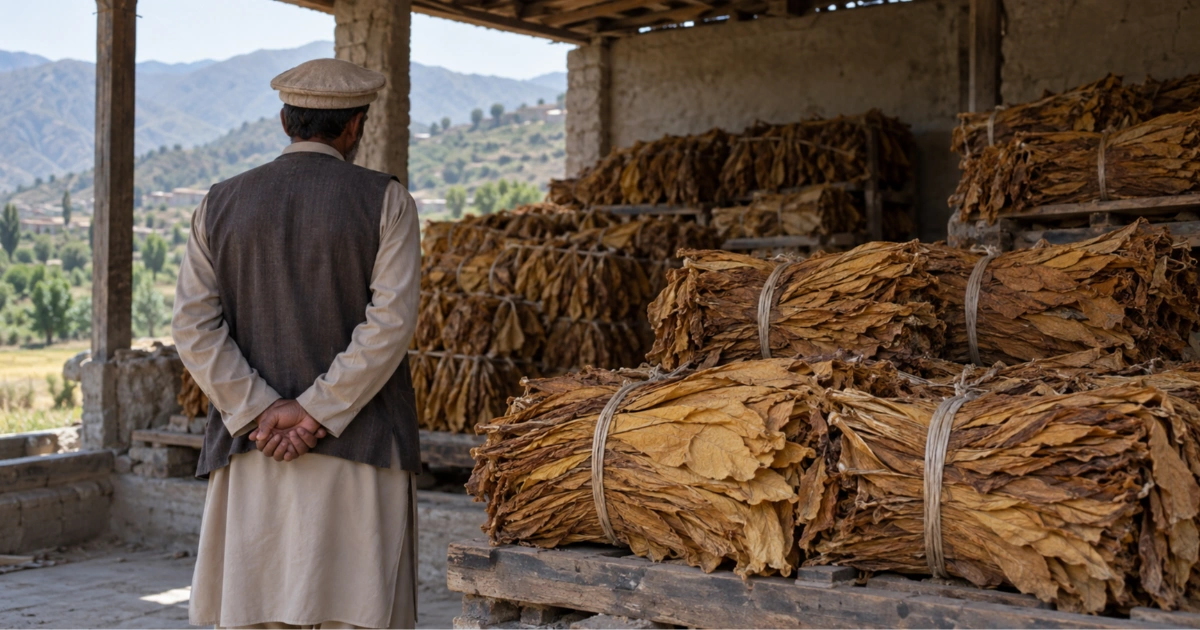
Siddiqui also called for coordinated federal and provincial action, including effective monitoring at Green Leaf Threshing units, stricter enforcement of advance withholding tax, and sustained provincial drives against unstamped cigarettes.
Source Acknowledgement
Adapted from a Business Recorder report, “Experts call for curbing illicit trade.” No source journalist was supplied. This adaptation does not imply endorsement.
Source: Business Recorder
- Published
- 01 Oct 2026
- Last verified
- 01 Oct 2026