NEWS DESK — Nicotine pouches should face rules based on evidence about the product rather than the regulatory route they entered through, a Tobaccoharmreduction.net commentary published on October 27 argues. But its case for treating pouches more like nicotine replacement therapy does not establish that every pouch should be recognized as a smoking-cessation medicine.
The commentary centers on a shared ingredient: nicotine. It argues that pouches and established nicotine replacement therapy, or NRT, deliver the same molecule yet can face sharply different rules. NRT refers to nicotine products licensed as medicines to help people stop smoking, including the gum and patches discussed in the piece.
Different regulatory routes
The commentary points to Canada as an example of a pouch entering the medicines system. It says Health Canada authorized Zonnic in 2023 as the first nicotine pouch licensed as NRT. That is a product-specific example, rather than a basis for assuming that all nicotine pouches have medicinal status.
It contrasts Canada with France's Decree 2025-898, which it describes as banning the import, sale, possession and use of oral nicotine products while exempting pharmacy-licensed NRT. The comparison illustrates the author's central concern: products delivering nicotine may be treated differently depending on their regulatory classification.
The author argues that this asymmetry is not grounded in evidence. However, the commentary does not address youth uptake concerns that motivate bans.
What the evidence can establish
The commentary cites a 2025 Cochrane review that found no serious adverse events in short-term nicotine pouch studies, but rated the certainty of the evidence as very low. That rating is important: the finding cannot be read as reliable proof of long-term safety, nor does an absence of serious events establish effectiveness for quitting smoking.
It also reports that toxicant levels assessed for the Canadian product were more than 95% below cigarettes. Toxicants are potentially harmful substances. A comparison of their levels is not the same as a measured reduction in disease risk, and the figure should not be interpreted as showing that pouches are more than 95% safer.
For a person seeking to stop smoking, the relevant question is whether a product helps them become and remain smoke-free. Short-term safety observations and comparisons of toxicant levels address different questions. They should not be substituted for evidence of sustained cessation when considering whether a pouch should be treated as NRT.
The argument for broader options
The commentary argues that nicotine gum and patches initially faced a lighter evidential burden, with long-term safety information accumulating after approval. It uses that historical comparison to question whether newer products face an uneven standard, while still acknowledging the stronger evidence now available for established therapies.
Its practical argument concerns people who have not succeeded with patches: the author says their options should not depend on national borders rather than product risk. Further evidence is expected from the SMILE trial, which the commentary says is following 474 participants in Italy, Poland, Moldova and Indonesia, with full results due in 2027.
ATTRIBUTION: Source: Tobaccoharmreduction.net, commentary published October 27, 2026.
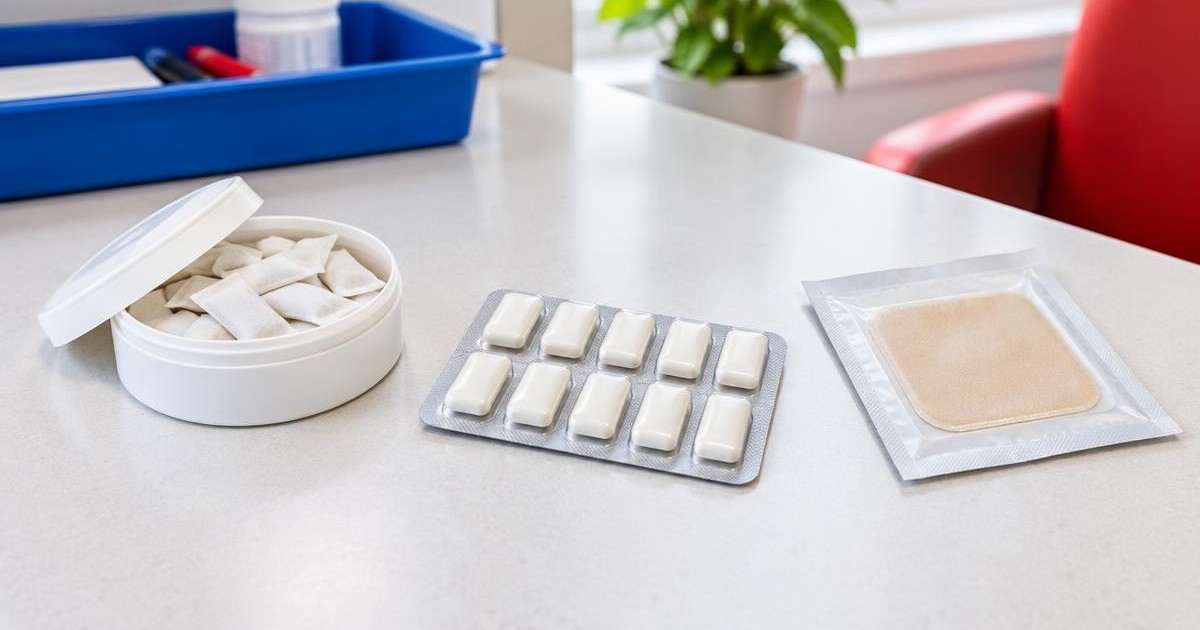
PHOTO: AI-generated; for illustrative purposes only.
Key points to remember
- The October 27 commentary advocates more consistent regulation of nicotine pouches.
- It cites Canada's licensing of Zonnic as NRT in 2023.
- It contrasts France's oral nicotine ban with an exemption for licensed NRT.
- The cited Cochrane review rated short-term pouch evidence as very low certainty.
- The commentary acknowledges that established NRT has a stronger evidence base.
Frequently asked questions
Should all nicotine pouches be considered nicotine replacement therapy?
The commentary argues for more consistent regulation, but shared nicotine content alone does not establish that all pouches qualify as cessation medicines.
Has a nicotine pouch been licensed as NRT?
According to the commentary, Health Canada authorized Zonnic in 2023 as the first nicotine pouch licensed as NRT.
What did the cited Cochrane review find?
The commentary says the 2025 review found no serious adverse events in short-term studies, but rated the evidence as very low certainty.
What further research does the commentary identify?
It cites the SMILE trial, following 474 participants across four countries, with full results expected in 2027.
Source Acknowledgement
Source: Tobaccoharmreduction.net
- Published
- 28 Oct 2026