BIRMINGHAM — University Hospitals Birmingham NHS Foundation Trust (UHB) is extending stop-smoking support to eligible adult outpatients at Queen Elizabeth Hospital, Heartlands Hospital and Good Hope Hospital. The service brings specialist help and free stop-smoking treatments into outpatient care, according to Birmingham Live’s report published on October 25, 2026.
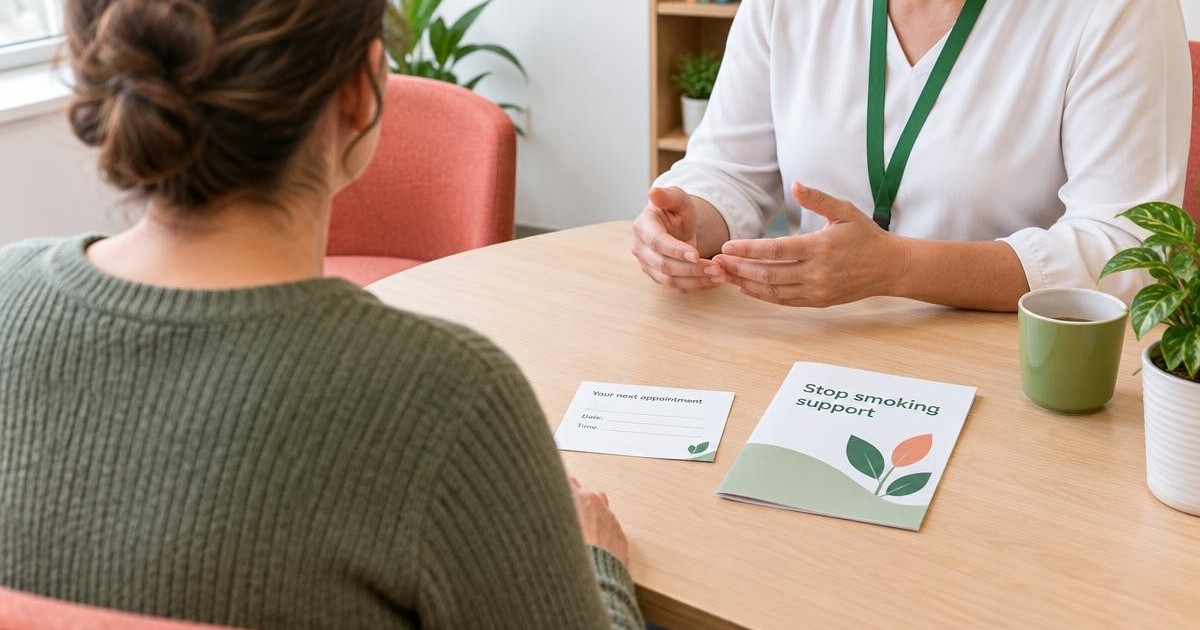
The report describes the service as available now and funded by Birmingham City Council Public Health. Patients can receive behavioral support alongside treatments including nicotine replacement therapy and vapes. Support is offered face to face or by phone, with regular follow-ups rather than a single conversation at an appointment.
Who can use the service
Eligibility depends on both a patient’s circumstances and their connection to Birmingham. Patients must be aged 18 or over, registered as a UHB patient, currently smoking and willing to try to quit. They must also live, work or be registered with a GP in a Birmingham City Council ward.
Patients can enter the service through a referral from a UHB clinical team or refer themselves. The offer therefore is not limited to people whose hospital team starts the process. It applies to eligible outpatients at the three named hospitals, rather than automatically covering everyone who attends an appointment.
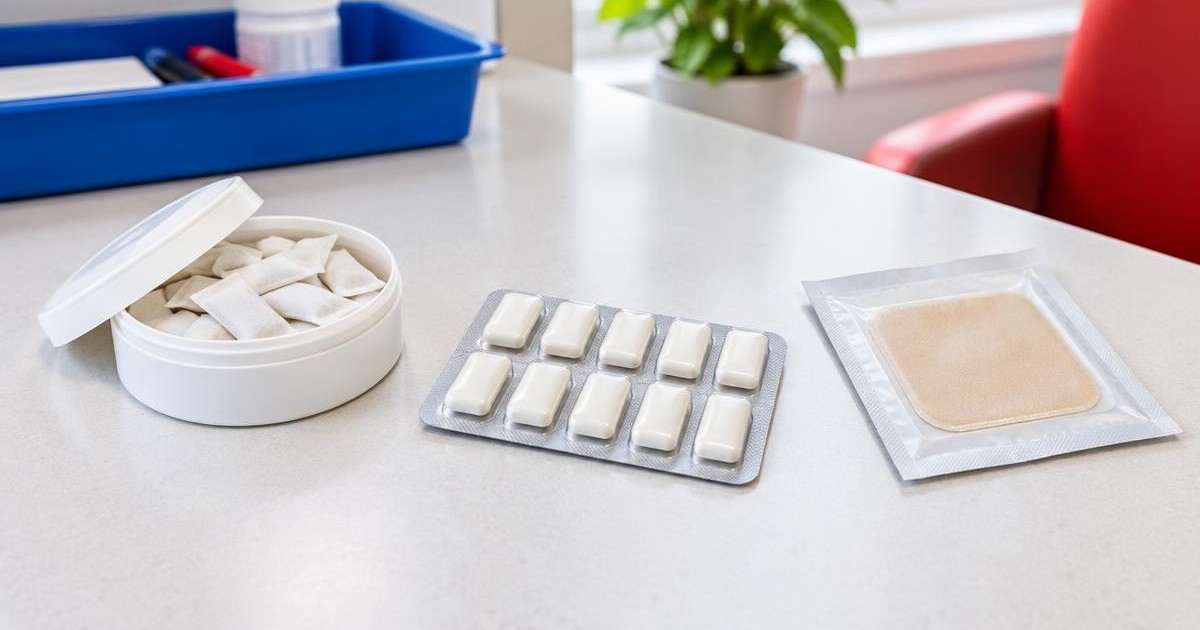
The behavioral element provides specialist help with quitting alongside the treatment offer. Nicotine replacement therapy supplies nicotine without smoking tobacco. Birmingham Live lists both this treatment and vapes among the free options available through the outpatient service; the report does not present a comparison of their effectiveness.
Support alongside hospital care
The service has a particular focus on respiratory care, pre-operative assessment and cancer services. These are settings where the report highlights the importance of quitting for treatment and recovery. Pre-operative assessment is the check patients receive before surgery, making it a point at which hospital teams can discuss smoking as part of their care.
Professor David Thickett, clinical lead for UHB’s Tobacco Addiction Cure Team, said quitting brings better treatment response, fewer complications and better long-term health. Those comments explain the clinical purpose of offering support during hospital care; they are not results measured from the newly reported outpatient service.
Councillor Nosheen Khalid said that knowing where to turn is often the hardest part of quitting, and that the service puts help in front of people while they are in hospital. The approach links an existing healthcare appointment with access to a specialist stop-smoking team.
Birmingham Live reported that an estimated 10.2% of Birmingham adults smoke. It also cited local hospital data linking thousands of admissions each year to smoking-related illnesses, including chronic obstructive pulmonary disease (COPD), pneumonia, lung cancer and heart disease. No uptake or quit-rate figures were reported for the outpatient service, so its reach and results cannot yet be assessed from that account.
Existing hospital and community services
The expansion builds on tobacco treatment already offered by UHB, rather than creating the trust’s first such service. UHB’s patient information describes a dedicated tobacco addiction treatment team that helps manage nicotine withdrawal during hospital stays, provides bedside consultations when needed and refers patients to community stop-smoking services after discharge.
That hospital-to-community pathway is distinct from the new outpatient offer. Birmingham City Council also describes a wider community service providing 12 weeks of support and advice, including help with smoking triggers, habits and stress. Its information lists access to nicotine replacement therapy or electronic cigarettes for people who live, work or are registered with a GP in Birmingham.
The council’s community information distinguishes free support from treatment charges: people who pay prescription charges are described as paying one prescription fee for the 12-week course. Those are the community service’s arrangements, not the terms reported for the new hospital offer. For eligible UHB outpatients, Birmingham Live describes free treatments and access through either clinical-team referral or self-referral.
ATTRIBUTION: Based on Birmingham Live’s report by Katy Hallam, published October 25, 2026, and patient and service information from University Hospitals Birmingham NHS Foundation Trust and Birmingham City Council.
PHOTO: AI-generated; for illustrative purposes only.
Key points to remember
- The service covers eligible adult outpatients at three UHB hospitals.
- Patients can access specialist support face to face or by phone.
- Birmingham Live reports free treatments include nicotine replacement therapy and vapes.
- UHB clinical teams can refer patients; self-referrals are also accepted.
- Birmingham City Council Public Health funds the new outpatient service.
Frequently asked questions
Who is eligible for the outpatient stop-smoking service?
UHB patients aged 18 or over who smoke, want to try quitting and live, work or have a GP in a Birmingham council ward.
Which hospitals offer the service?
Birmingham Live reports that the service covers eligible outpatients at Queen Elizabeth Hospital, Heartlands Hospital and Good Hope Hospital.
What support is available?
The reported offer includes specialist behavioral support, free treatments including nicotine replacement therapy and vapes, and regular follow-ups.
How can eligible patients access support?
Patients can be referred by a UHB clinical team or refer themselves, with support delivered face to face or by phone.
Source Acknowledgement
Source: Birmingham Live
- Published
- 28 Oct 2026