
NEW DELHI — Indian doctors have called for sustained help to quit tobacco, together with better blood pressure control, as part of efforts to reduce the country’s stroke burden.
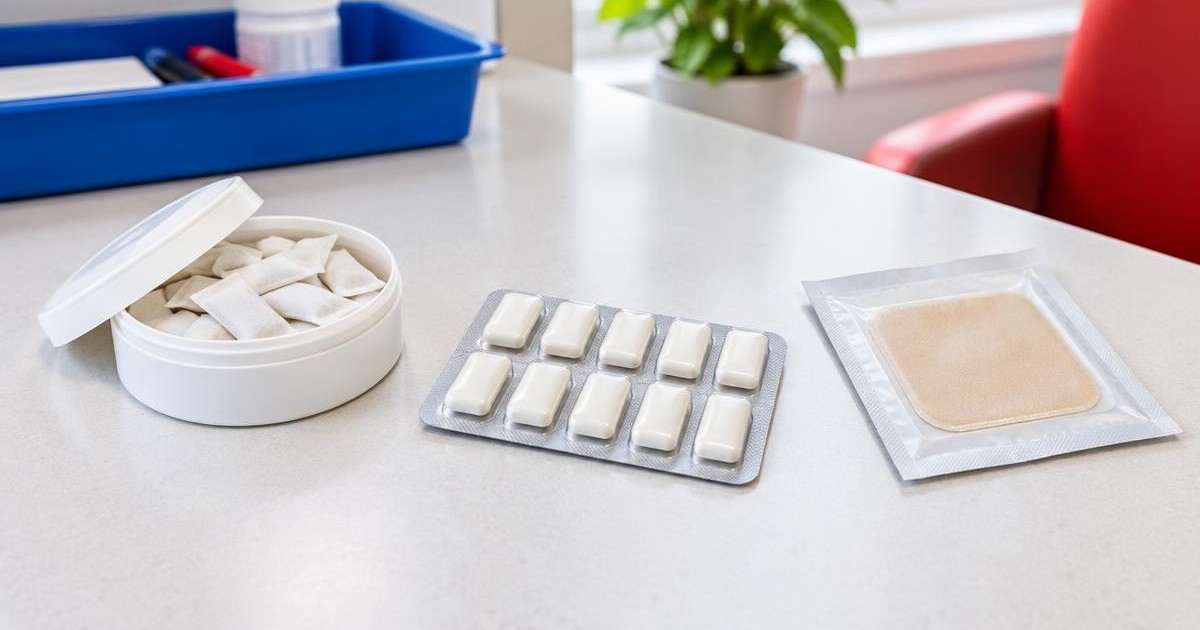
Dr Yashpal Singh Bundela, director of neurosurgery at Medanta Super Speciality Hospital, Noida, said simply telling people to quit was insufficient because nicotine dependence makes stopping difficult. He called for practical cessation services, counseling and access to clinically established aids such as nicotine replacement therapy, alongside efforts to prevent young people from starting tobacco use.
The appeal is an expert recommendation, not the announcement of a new government program or findings from a new treatment trial. Its focus is on making help available over time rather than treating quitting as a single decision dependent on willpower.
Support beyond advice to quit
A 2024 analysis of Global Burden of Disease data estimating that tobacco use accounted for 12% of stroke deaths in India, while high systolic blood pressure accounted for 56%. Systolic pressure is the upper number in a blood pressure reading. These are estimates of the burden linked to risk factors, not measured benefits from a cessation service.
Dr Awadh Kishor Pandit of AIIMS-Delhi coupled cessation with early detection and management of high blood pressure, diabetes and other cardiovascular risks. Dr Sonia Lal Gupta of Metro Group of Hospitals also warned that stroke increasingly affects younger people, according to the report.
The World Health Organization estimates that tobacco causes nearly 1.35 million deaths in India each year. That figure covers tobacco-related deaths overall, not strokes alone. WHO identifies smokeless tobacco as the country’s most prevalent form of tobacco use, making it important that cessation support addresses more than cigarettes.
Products listed by WHO include khaini, gutkha, tobacco-containing betel quid and zarda, as well as smoked products such as bidis, cigarettes and hookah. The range matters for how services reach users: a cigarette-only message would not address everyone who needs help stopping tobacco.
What treatment and follow-up can include
WHO’s first clinical treatment guideline for tobacco cessation in adults, released on July 2, 2024, provides a broader treatment framework. It recommends behavioral support and medicines for adults seeking to quit tobacco, including people using smokeless products. Behavioral support means help with the habits and situations that make quitting difficult.
The recommended medicines include nicotine replacement therapy, varenicline, bupropion and cytisine. WHO says combining medication with behavioral interventions increases quitting success. These recommendations support access to treatment; they do not mean every medicine is suitable for every person. Treatment choices can be discussed with a qualified healthcare professional.
Support can range from brief advice during routine healthcare visits to individual, group or telephone counseling. WHO also encourages no-cost or reduced-cost treatment, placing access alongside the choice of treatment in its recommendations.
India already has a National Tobacco QuitLine, launched in 2016. In a May 31, 2026 feature, WHO described free counseling, personalized plans and follow-up in English, Hindi and more than 15 regional languages. This offers an existing example of ongoing support rather than a one-time awareness message.
Citing a Vallabhbhai Patel Chest Institute report, WHO said the service assisted more than 650,000 unique callers between June 2016 and April 2026. Of those callers, 68.63% used smokeless tobacco. These figures describe the people reached by the service, rather than demonstrating a reduction in stroke cases.
Tobacco trends are not stroke outcomes
According to a nationally representative Japanese study published in 2026, among people aged 15–64, cigarette use fell from 20.7% in 2017 to 12.3% in 2025, while heated tobacco use rose from 5.3% to 11.7%. Use of both products also increased.
Those trends do not establish that heated tobacco caused the decline in cigarette use or reduced stroke risk. Using both products is also different from stopping tobacco completely. The doctors’ central recommendation remains practical cessation support alongside management of established stroke risk factors.
ATTRIBUTION: Based on a PTI report published by Rozana Spokesman on October 28, 2026; WHO’s India tobacco information; and WHO publications dated July 2, 2024, and May 31, 2026.
PHOTO: AI-generated; for illustrative purposes only.
Key points to remember
- Indian doctors called for sustained cessation services beyond tobacco awareness campaigns.
- Doctors linked stroke prevention efforts with better blood pressure control.
- WHO recommends combining behavioral support with medication to improve quitting success.
- India’s National Tobacco QuitLine offers free counseling and follow-up support.
- Reported Japanese tobacco trends do not establish reduced stroke risk.
Frequently asked questions
What are Indian doctors asking for?
They want sustained tobacco cessation support, including counseling and access to nicotine replacement therapy, alongside better management of stroke risk factors.
What treatments does WHO recommend for adults quitting tobacco?
WHO recommends behavioral support and medicines including nicotine replacement therapy, varenicline, bupropion and cytisine, with combined treatment improving quitting success.
Does India already have a tobacco quitline?
Yes. WHO says the National Tobacco QuitLine, launched in 2016, offers free counseling, personalized plans and follow-up in multiple languages.
Does the Japanese study show heated tobacco prevents strokes?
No. The reported changes in cigarette and heated tobacco use do not establish that heated tobacco reduced smoking or stroke risk.
Source Acknowledgement
Source: Rozana Spokesman (PTI)
- Published
- 29 Oct 2026